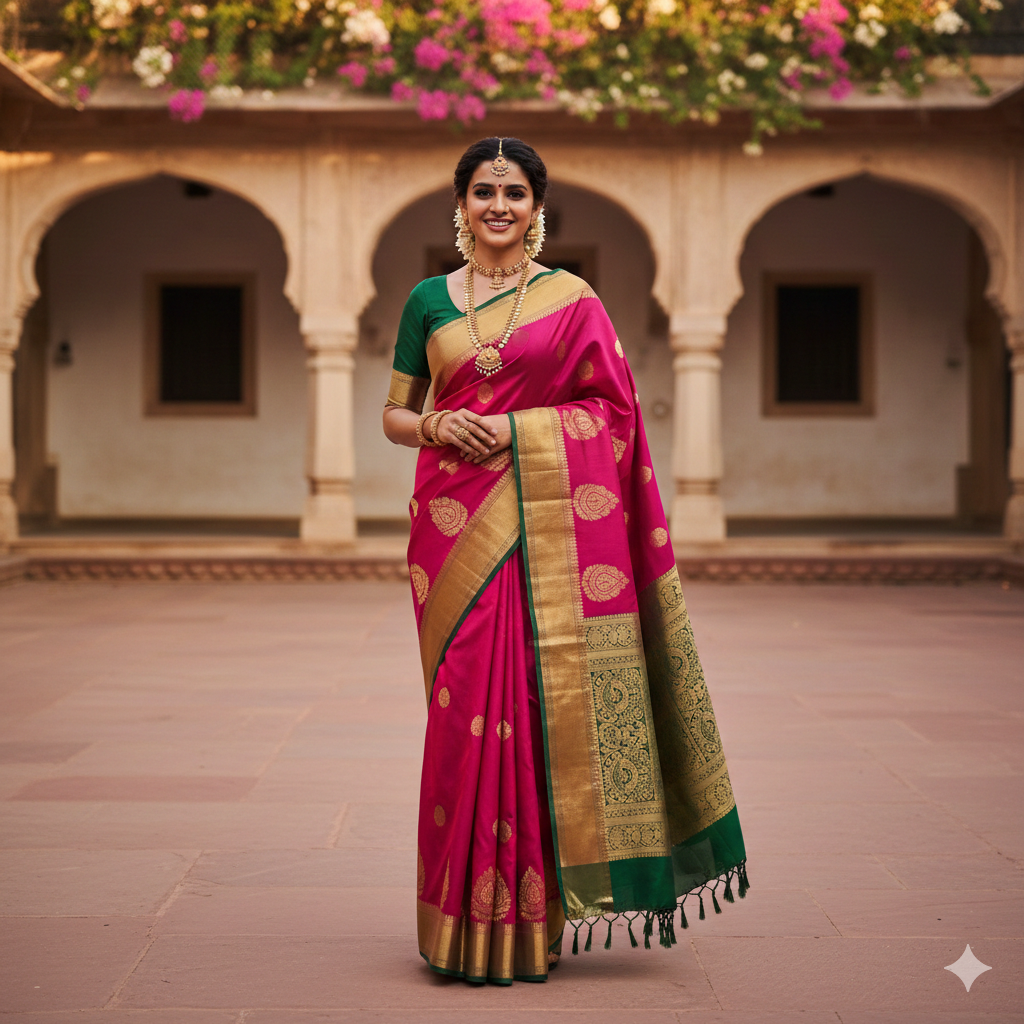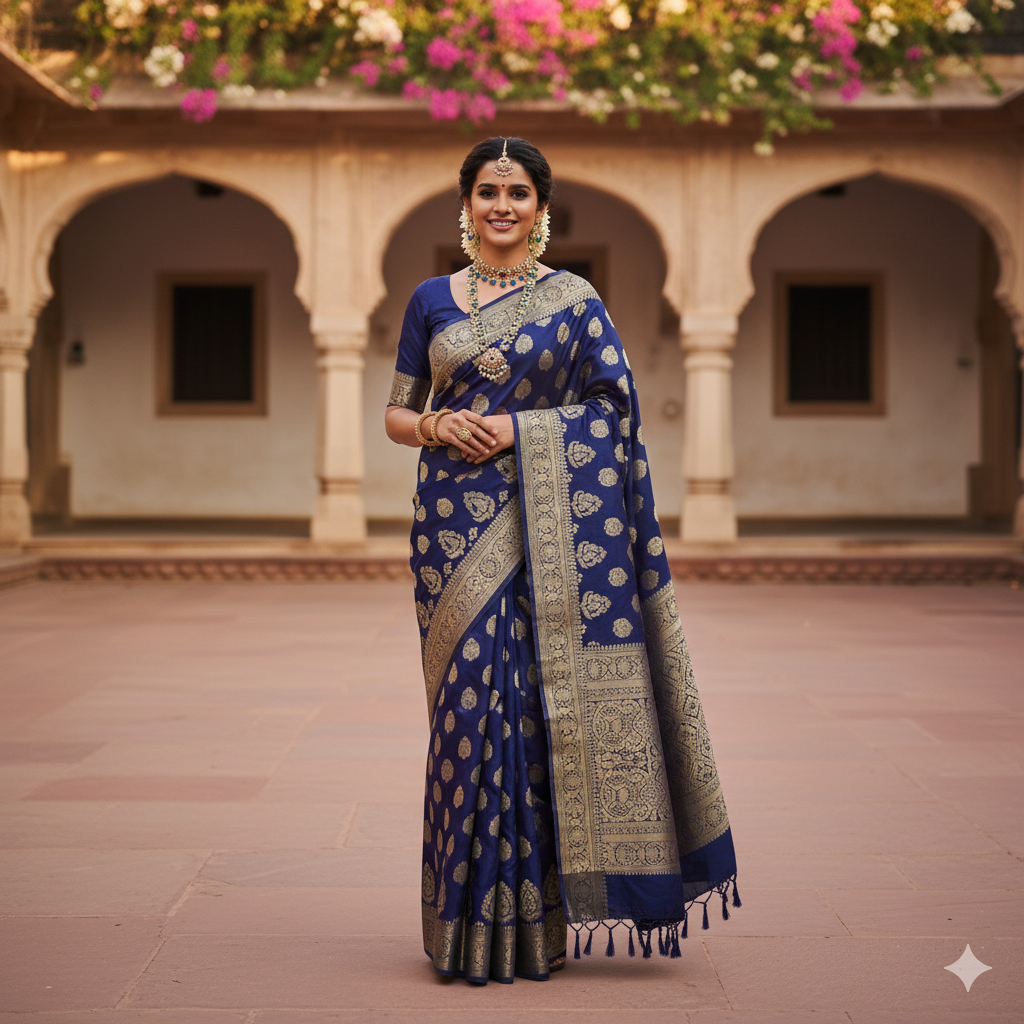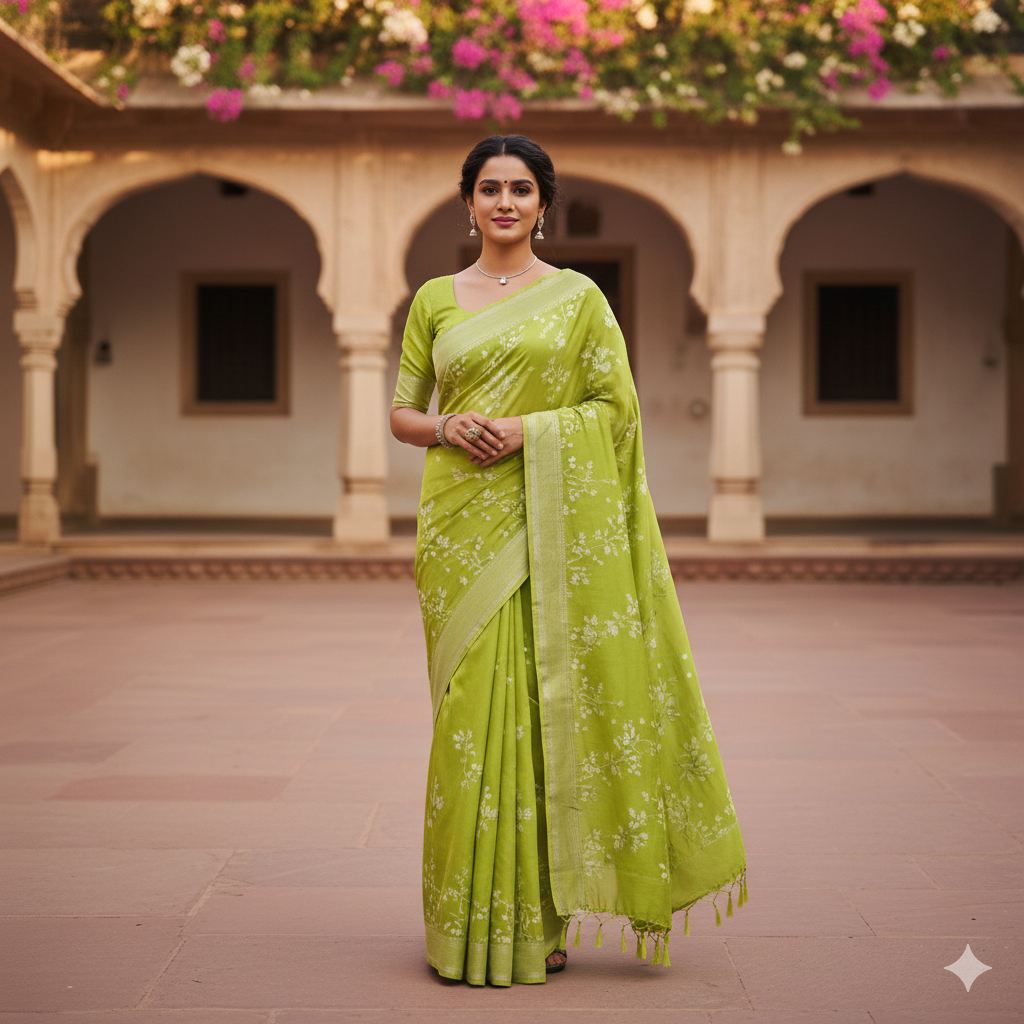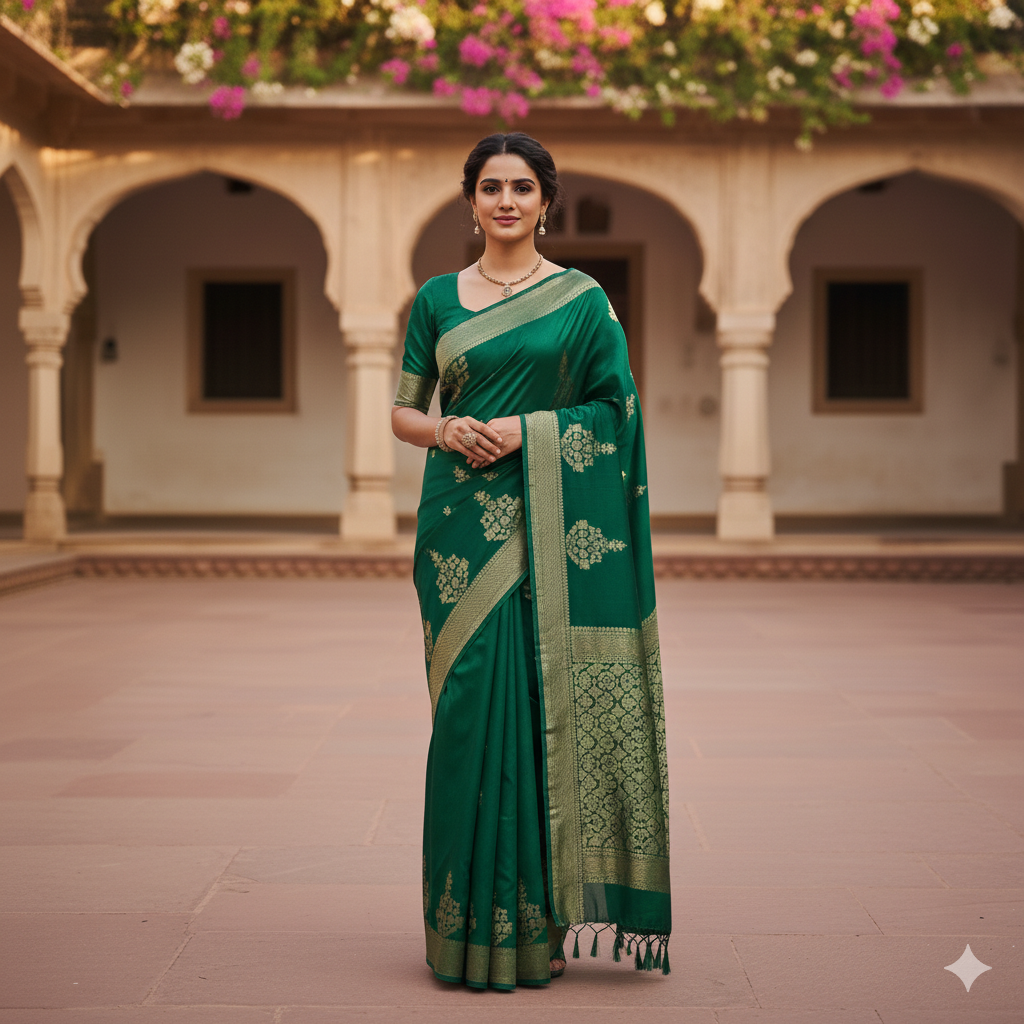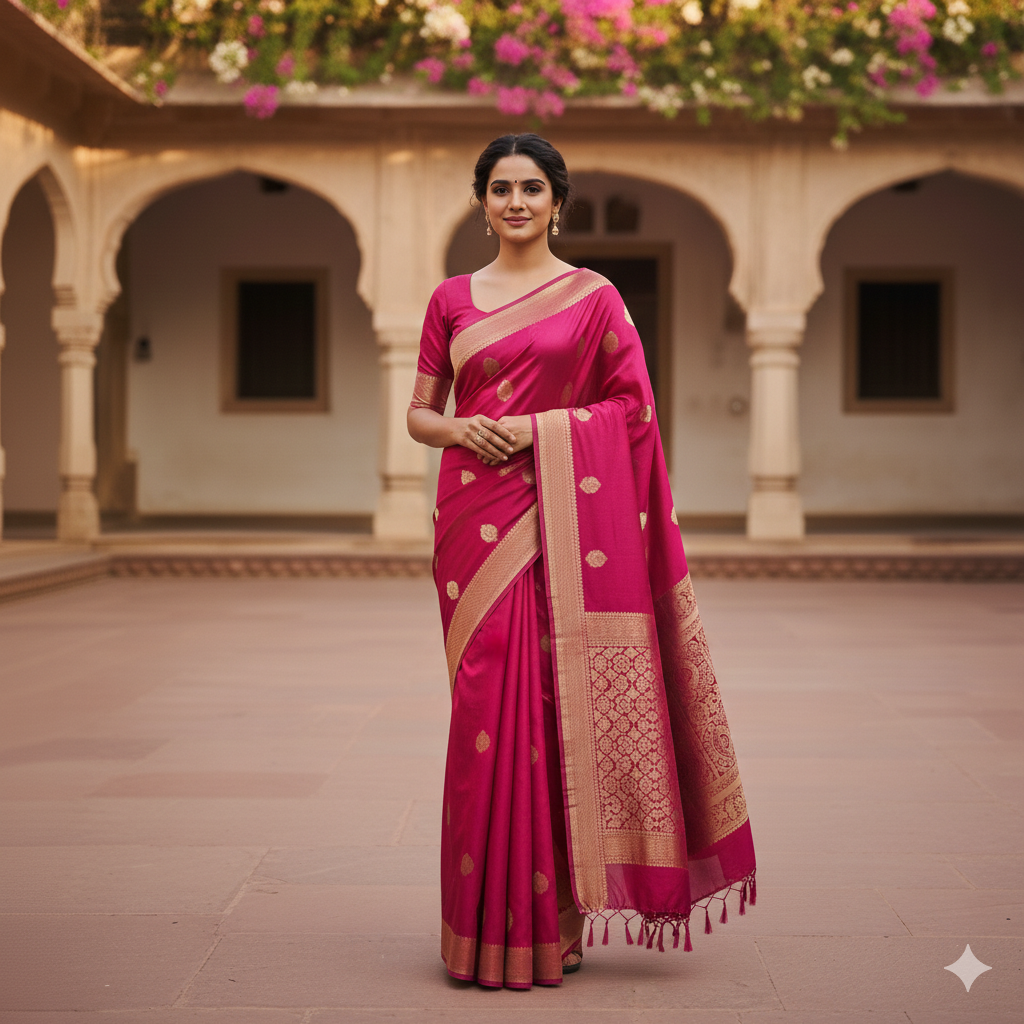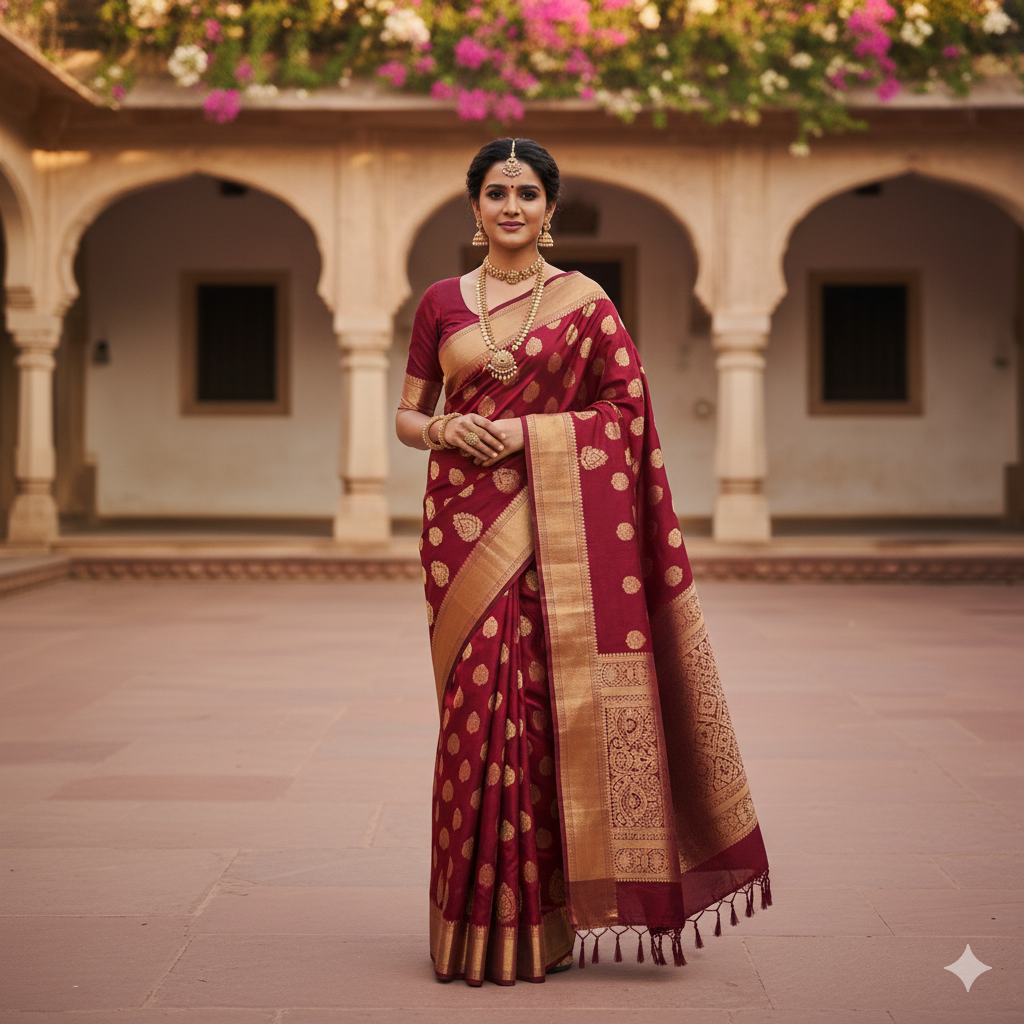
Indian sarees are one of the most iconic and timeless symbols of India’s cultural heritage. Worn across the country in different styles, materials, and designs, sarees reflect the diversity, artistry, and traditions of India.
What is a Saree?
A saree is a long piece of cloth—usually 5 to 9 yards—draped around the body in various regional styles. It is traditionally paired with a blouse and a petticoat. Despite being a single piece of unstitched fabric, a saree can create countless elegant looks depending on how it is draped.
Cultural Importance
Symbol of Tradition: Sarees are worn during festivals, weddings, ceremonies, and religious rituals.
Artistic Expression: Each saree showcases unique craftsmanship—from handloom weaving to embroidery, dyeing, and printing.
Regional Identity: Every state has its own saree style, technique, and story behind it.
Popular Types of Indian Sarees
1. Banarasi Saree (Uttar Pradesh)
Known for rich silk, zari work, Mughal-inspired motifs, and royal elegance. One of the most preferred choices for Indian brides.
2. Kanjeevaram Saree (Tamil Nadu)
Famous for vibrant colours, temple borders, and strong mulberry silk. These sarees are luxurious and long-lasting.
3. Chanderi Saree (Madhya Pradesh)
Lightweight and glossy, often featuring floral or geometric patterns in zari.
4. Bandhani Saree (Rajasthan & Gujarat)
Tie-and-dye art that creates dotted designs in bright colours like red, yellow, and green.
5. Paithani Saree (Maharashtra)
Known for peacock motifs, vibrant combinations, and exquisite handwoven silk.
6. Tussar & Bhagalpuri Silk Sarees (Bihar)
Made from wild silk, with natural golden sheen and eco-friendly dyeing.
7. Assam Muga & Mekhela Chador
Valued for durability and natural golden silk unique to Assam.
8. Kerala Kasavu Saree
White or cream with elegant golden borders—symbolic of purity and simplicity.
9. Bengal Tant & Jamdani Sarees
Lightweight cotton sarees ideal for daily wear. Jamdani is famous for intricate hand-woven motifs.
Why Indian Sarees Are Special
Handcrafted with Skill: Many sarees take weeks or months to weave.
Eco-Friendly Fabric Traditions: Cotton, silk, and plant-based dyes keep the craft sustainable.
Fusion Fashion: Modern designers blend tradition with contemporary styles, making sarees suitable for corporate wear, parties, and global fashion shows.
Generational Value: Sarees are often treasured and passed down as family heirlooms.
Modern Appeal
Today, sarees are styled in innovative ways—belted, pre-stitched, ruffled, or paired with crop tops and jackets. Their global popularity continues to grow, with designers showcasing Indian sarees on international runways.